Describe the Response of the Immune System to the Vaccine
Systems biology approaches have been used to identify molecular signatures of vaccine-induced immune responses in humans. Strain-specific antibody responses are induced which exert selective pressure on circulating influenza viruses and which drive antigenic drift of seasonal influenza viruses especially in the hemagglutinin molecule.

How Vaccines Work British Society For Immunology
How vaccines work with your immune system to protect against disease.

. These vaccines would produce both a strong antibody response to the free antigen and a strong cellular response to the microbial antigens displayed on the cell surfaces. Antibodies passed from mother to child through breast milk are. Specific immunity to influenza is associated with a systemic immune response serum haemagglutination inhibition antibody local respiratory immune response virus-specific local IgA and IgG antibodies in nasal wash and with the cell-mediated immune response.
Despite being developed to fight the original COVID-19 strain a third dose of mRNA vaccine boosts the immune system substantially to better fight infections caused by the Omicron variant relative to the standard 2-dose primary series according to two new studies in Nature and JAMA Network Open. Receipt of hepatitis B vaccine is an example of active immunization. Small doses of an antigen such as dead or weakened live viruses are given to activate immune system memory activated B cells and sensitized T cells.
Vaccines reduce risks of getting a disease by working with your bodys natural defenses to build protection. Broader B-cell memory response. Passive immunization means administering antibodies or antitoxins from another source to protect the recipient.
Vaccines contain weakened or inactive parts of a particular organism antigen that triggers an immune response within the body. Unlike live vaccines which produce an immune response that closely resembles natural infection the immune response to an inactivated vaccine is mostly antibody production. As the adaptive immune response gears up however it will begin to clear the pathogen from the body while at the same time becoming stronger and stronger.
Learn About COVID-19 Prophylaxis Option. They can reduce the risk of severe illness from COVID. During the first 4 to 5 days the innate immune response will partially control but not stop pathogen growth.
In the present study several vaccine delivery systems VLPs chimeric VLPs plasmid DNA and a replication incompetent adenoviral vector expressing HPV16L1 were evaluated for their ability to induce HPV16L1 VLP-specific humoral immune responses including neutralizing antibodies and cell-mediated immune responses in rhesus macaques. Conjugate vaccines fight a different type of bacteria. Available data suggests that these vaccines are safe produce high levels of antibodies and are effective at.
When you get a vaccine your immune system responds. Ad Discover How Long-Acting Antibodies On Top Of Vaccines May Help Prevent COVID-19. This is the part of the immune system that produces antibodies.
Conjugate vaccines are effective for these types of bacteria because they connect or. Newer vaccines contain the blueprint for producing antigens rather than the antigen itself. This antigenic drift necessitates updating of seasonal influenza vaccines regularly in order to match the circulating strains.
Vaccines or immunizations use a trigger such as inactivated or weakened viral material to create an immune response against the invader. Vaccination immunization is a way to trigger the immune response. Antibodies are proteins produced naturally by the immune system to fight disease.
A protective immune response develops after the second or third dose. We know from developing vaccines against other viruses that peoples immune response to a vaccine can vary. The M1-directed cellular immune responses along with traces of M1 proteins in split vaccines may in part responsible for the cross-reactive immune responses against H5N1 associated with the pdm flu vaccine since CD4 and CD8 T-cell responses directed against H5N1 have preferentially reported to focus on M1 or NP nucleoproteins.
Ad Safety is CDCs top priority and vaccination is the safest way to help build protection. Vaccination is basically a trick to provide the body with antibodies said. In general the first dose does not produce protective immunity but primes the immune system.
The immune response to influenza vaccines. Memory allows your body to react quickly and efficiently to future exposures. New prophylactic L1 virus-like protein vaccines for HPV 16 and 18 and HPV 6 11 16 and 18 are in phase 3 trials.
These bacteria have antigens with an outer coating of sugar-like substances called polysaccharides. By analysing samples from patients who have been treated for malaria in Sweden researchers can now describe how the immune system acts to protect the body after a malaria infection. Vaccines trigger a similar immune response without the risk of severe disease that comes with natural infection.
Active immunization means administering a vaccine so that the recipient generates their own immune response. These body cells would then start producing the antigen and displaying it on their surfaces which would then stimulate the immune system. The immune response we typically anticipate from a vaccine which is easily measured is a humoral immune response.
The main characteristics of the immune response following VLPs are. This type of coating disguises the antigen making it hard for a young childs immature immune system to recognize it and respond to it. THE IMMUNE RESPONSE Subunit vaccines use the antigen of the virus without any genetic material usually with an adjuvant to give a better immune response Usually made using recombinant expression system made in a cell without using the virus With the help of antigen- presenting cells the antigens are recognised by T helper cells as.
Both inactivated and live influenza v. The Job of Antibodies Antibodies which are produced by B lymphocytes often referred to as B cells work in a number of ways depending on the pathogen the type of. Despite viral immune evasion the immune system effectively repels most HPV infections and is associated with strong localized cell mediated immune responses.
7 rows In the case of SARS-CoV-2 infection while natural infection can induce an immune response. 50-52 Among these an increased expression of TNFRS17 which encodes the BCMA receptor for the B cell growth factor BAFF implicated in B cell differentiation was a predictor of the antibody response in healthy adults vaccinated with TIV. The vaccines cannot give you COVID.
Recognizes the invading germ such as the virus or bacteria. The immune system then essentially has a developed and effective response available when a true pathogen becomes a threat. VLPs are highly immunogenic two log over the natural infection inducing high concentrations of neutralizing Ab to L1 also in the absence of adjuvant ones due to their ability to activate both innate and adaptive immune responses and they also remain high over time.
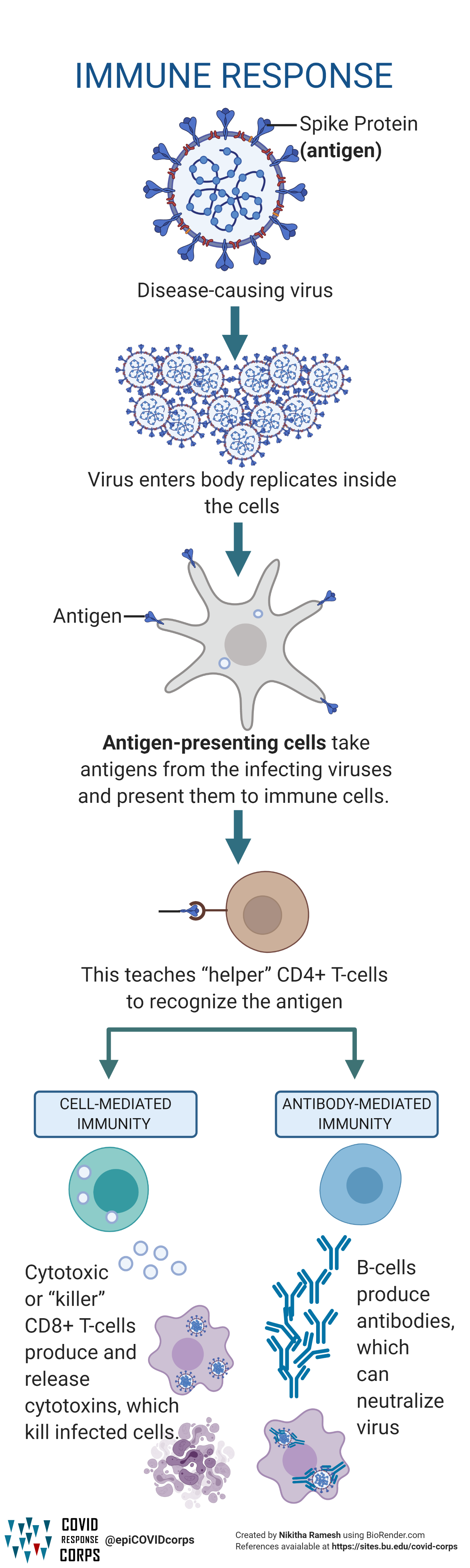
Types Of Vaccines Infographics Epidemiology Covid 19 Response Corps
How Protein Based Vaccines Work Against Covid 19 Consilium
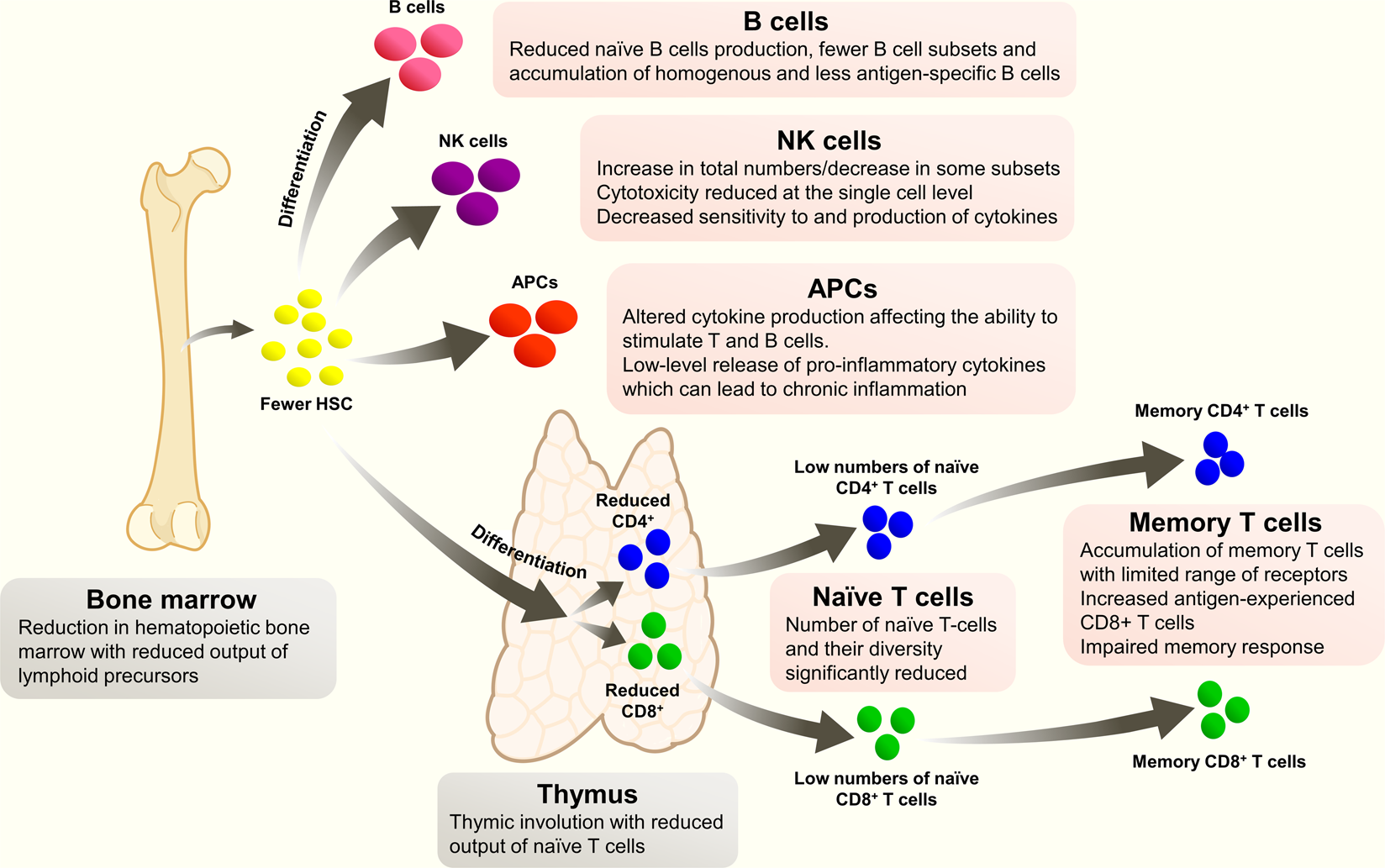
Vaccination As A Preventative Measure Contributing To Immune Fitness Npj Vaccines


Comments
Post a Comment